Description
Understanding autistic sensory processing and movement differences is essential for professionals providing autism support in clinical and educational settings.
Learn how autistic sensory processing and movement differences shape perception, communication, and daily participation in this research-grounded autism professional development course for therapists and educators.
This two-hour training, presented by Therapist Neurodiversity Collective and Dr. Steven Kapp (University of Portsmouth), focuses on practical, neurodiversity-affirming approaches to supporting autistic people across the lifespan.
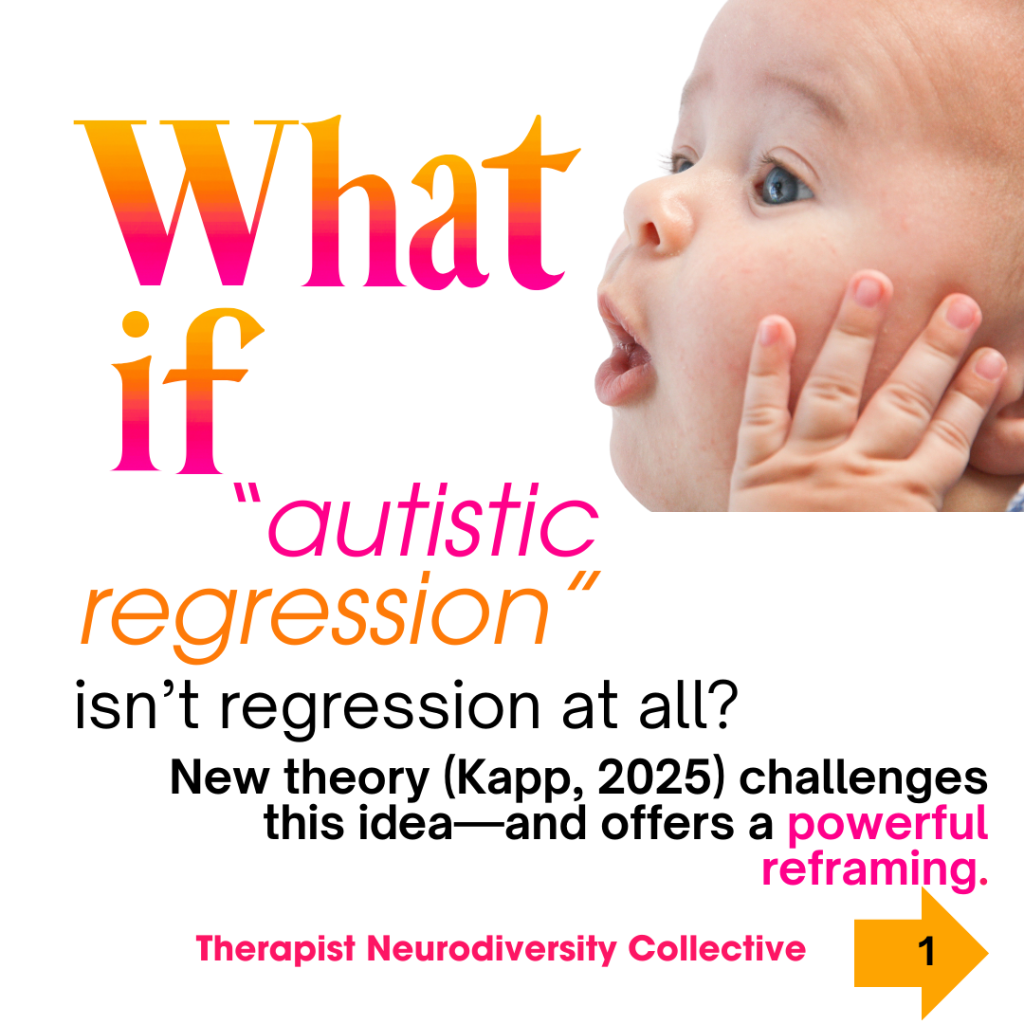
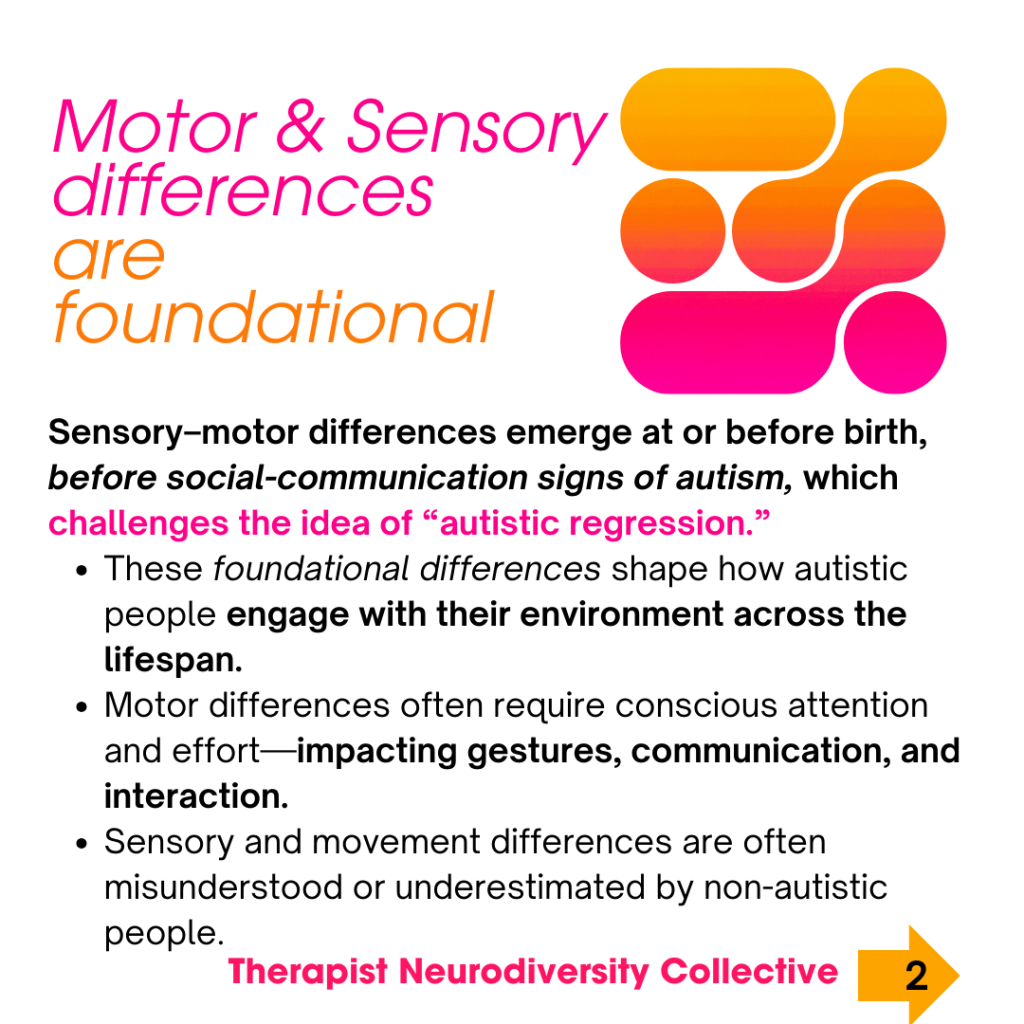
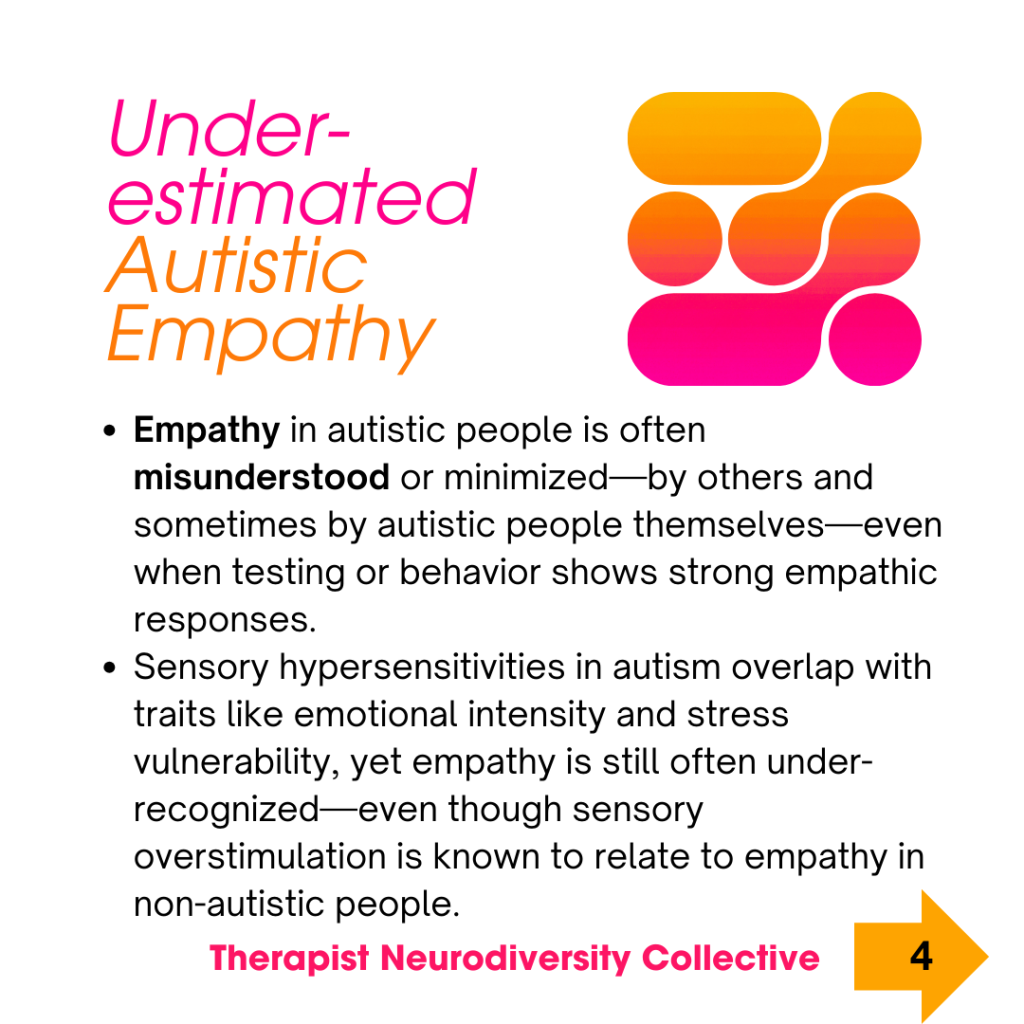
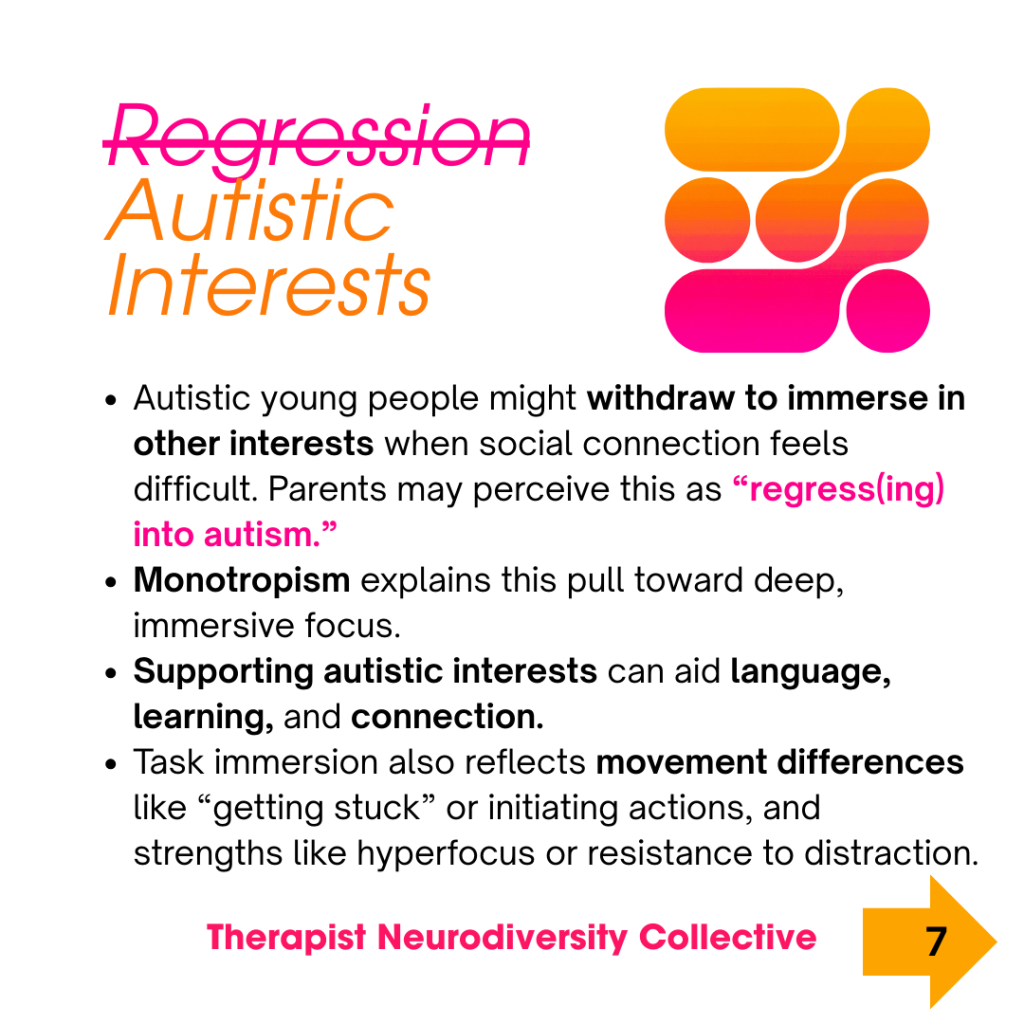
Autistic sensory processing and motor differences are foundational features of autism. They influence how autistic people experience sound, movement, language, and interaction. These differences are frequently misunderstood in clinical and educational settings, including being misinterpreted as “regression.” Gain a clear, evidence-based framework for understanding sensory processing in autism and its direct impact on communication, including speech divergence.
Participants will
Identify Sensory and Movement Differences as Foundational to Autism
Deepen understanding of autistic sensory processing and motor differences as core features of autism, recognizing how these differences shape perception, interaction, and participation across environments and across the lifespan.
Examine Misinterpretations of Sensory-Motor Differences
Expand professionals’ ability to identify and challenge common misunderstandings, including interpretations of sensory and movement differences as “regression,” by grounding analysis in current research on autistic development and experience.
Analyze Perceptual and Motor Strengths and Challenges
Develop a nuanced understanding of autistic perceptual and motor profiles, including how strengths and differences interact and how these patterns influence communication, learning, and daily functioning.
Understand the Relationship Between Sensory-Motor Differences and Communication
Explore how sensory and movement differences may contribute to speech divergence and communication differences, emphasizing communication as a dynamic, relational process shaped by multiple interacting factors.
Apply Neurodiversity Paradigm Centered Support Strategies
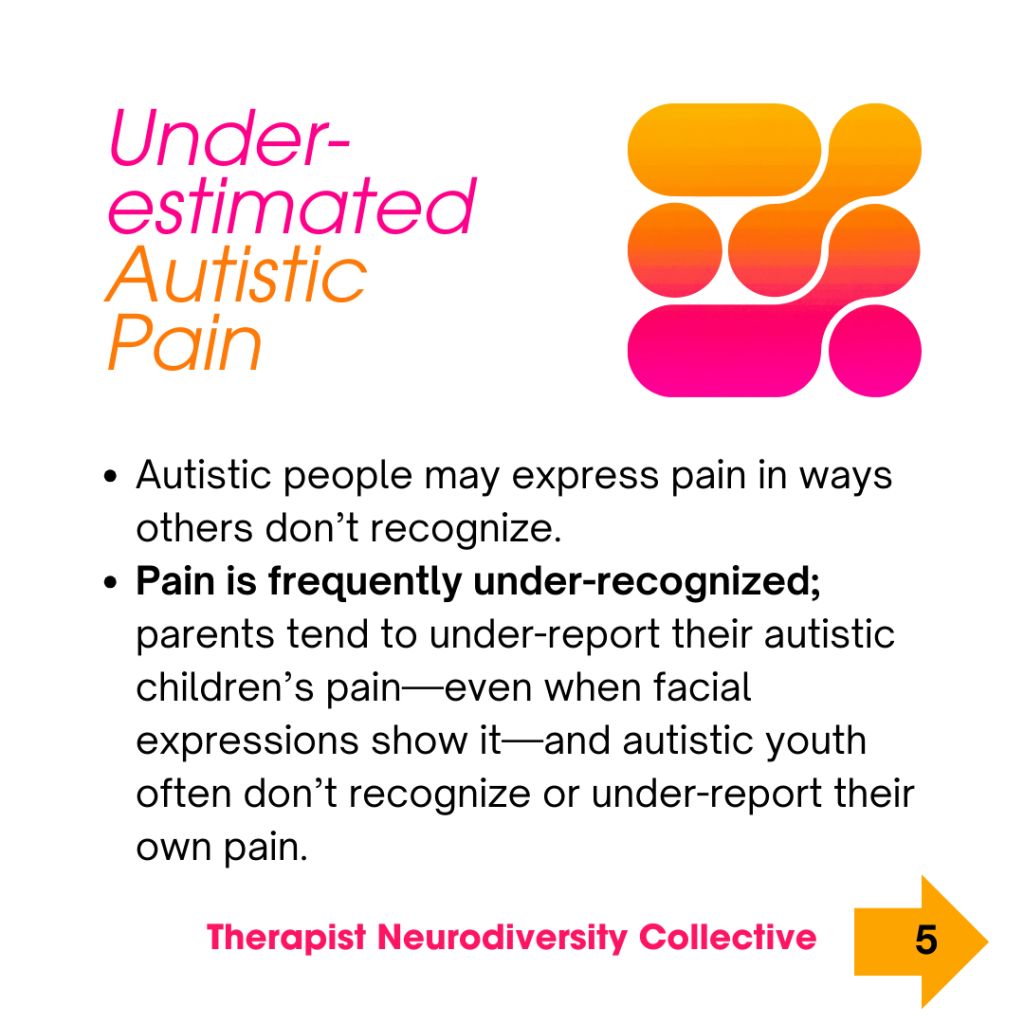
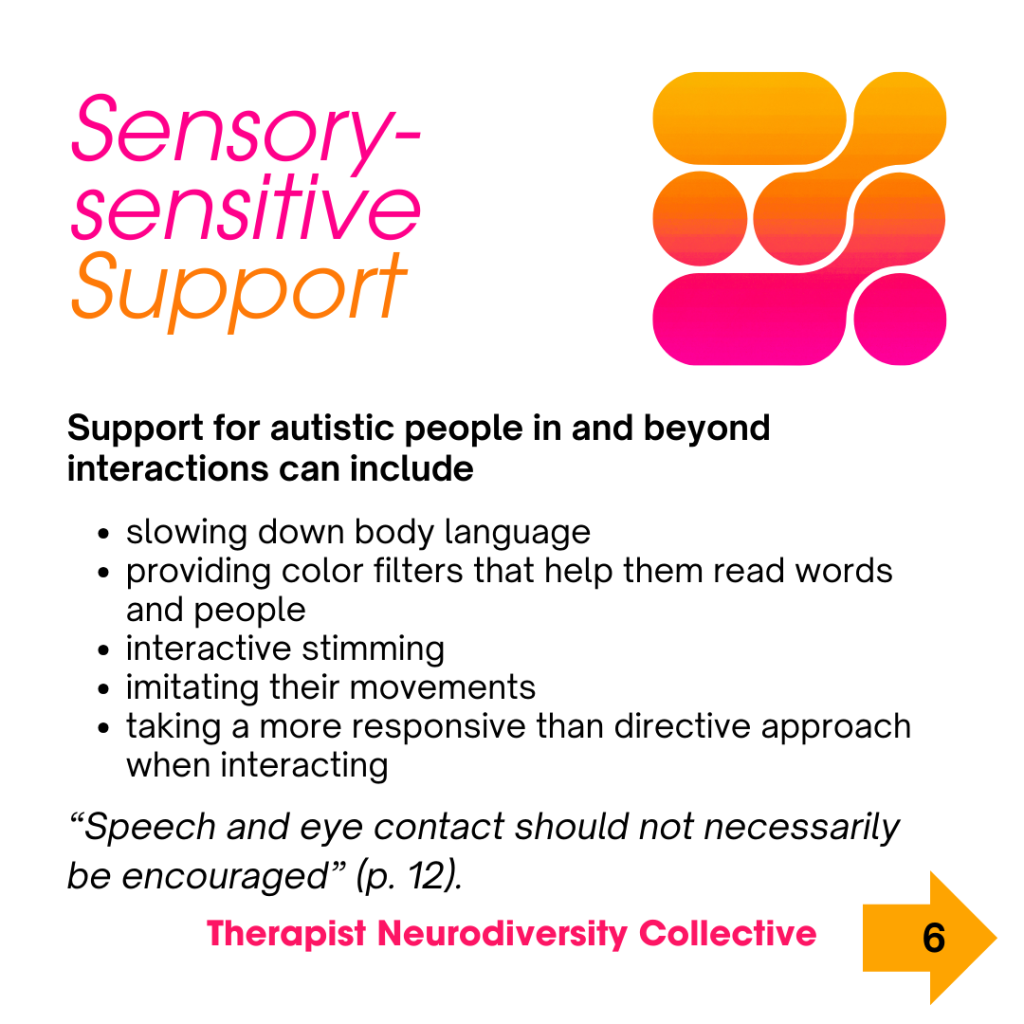
Equip participants with practical, ethically grounded approaches to support sensory needs and accommodate movement differences, building from strengths to increase access, participation, and autonomy in clinical and educational settings.
► Featuring: Dr. Steven Kapp,
► Enrollees have on-demand access to this course for 180 days from enrollment.
► 2 hours of Professional Development credit
► Audience: This course is designed for therapists, educators, and related professionals seeking continuing education in autism that is research-grounded, neurodiversity-affirming, and directly applicable to clinical and educational practice.
✨ Included:
☑ Handouts
☑ Certificate of Attendance for 2 hours of professional development
🔓🔓🔓 Therapy Neurodiversity Collective Members, this short course is included in your membership.
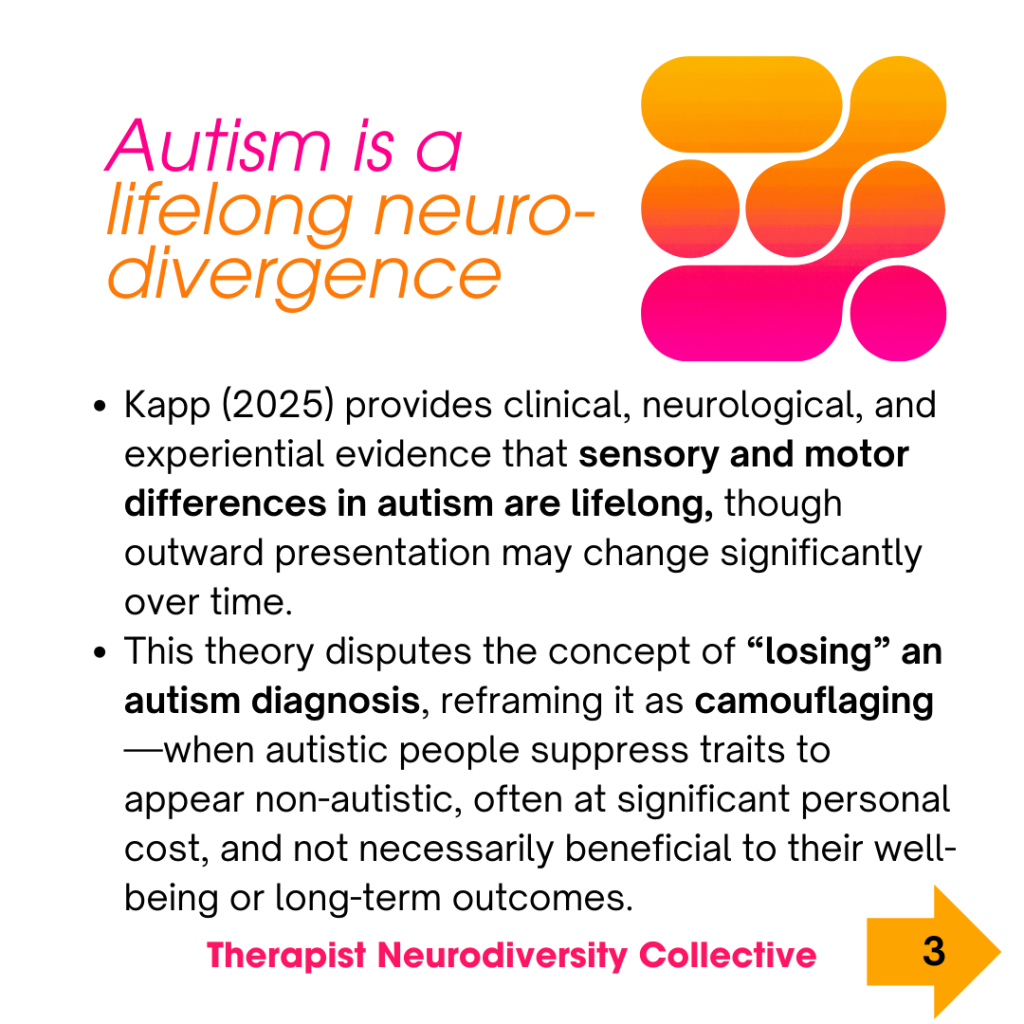
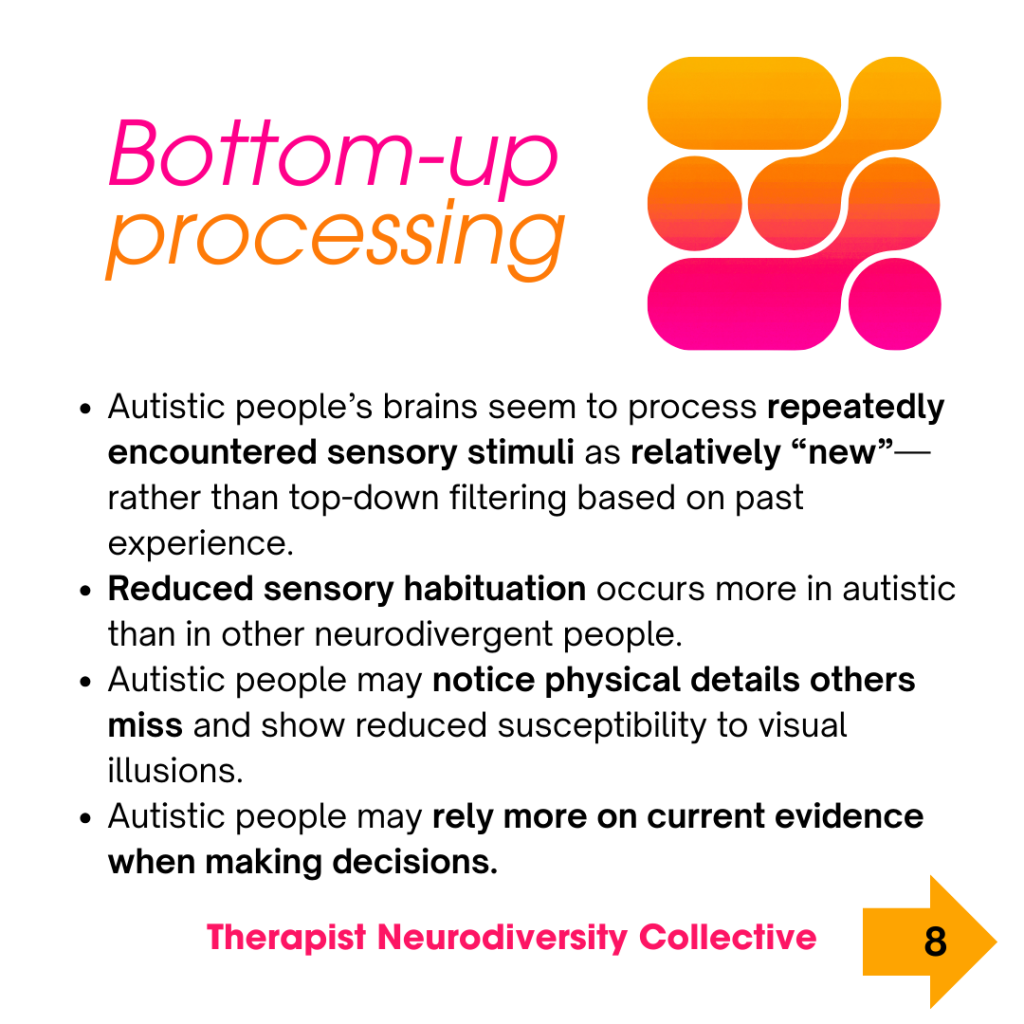
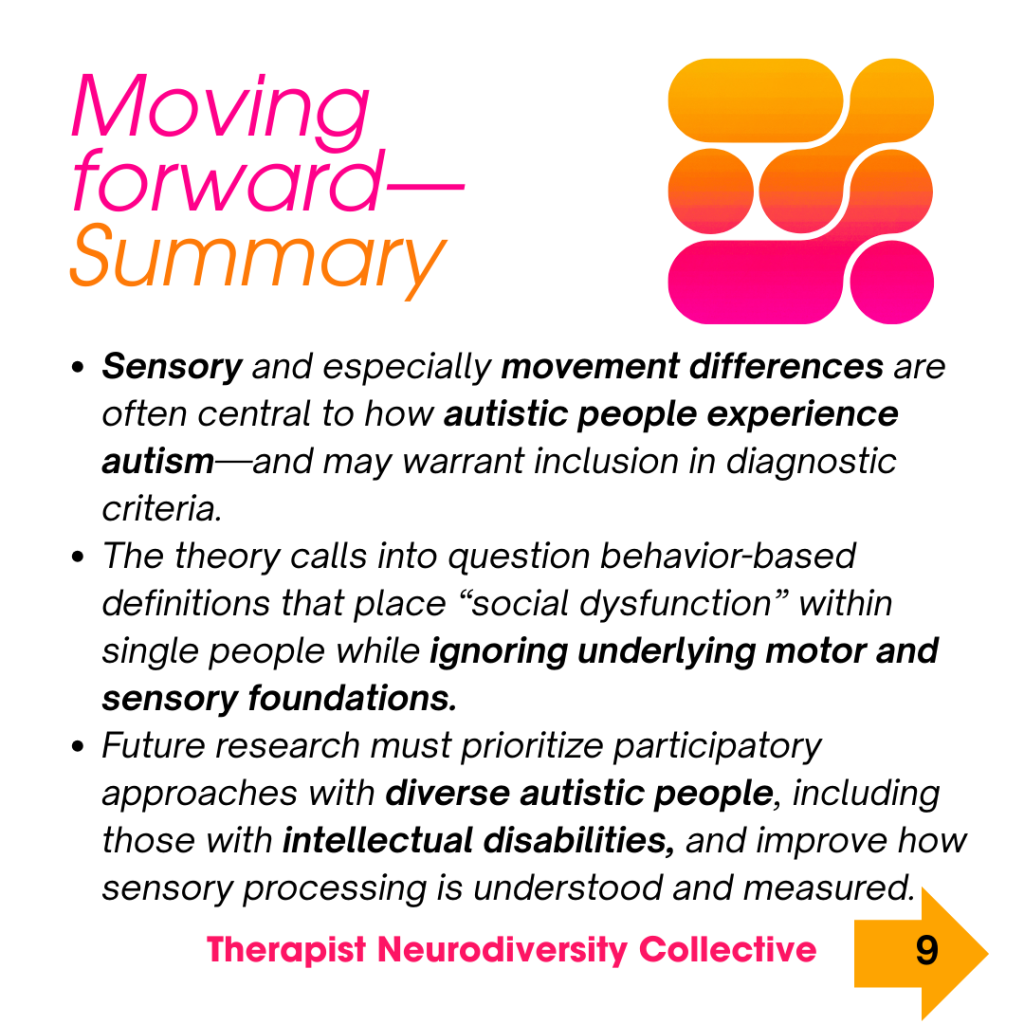
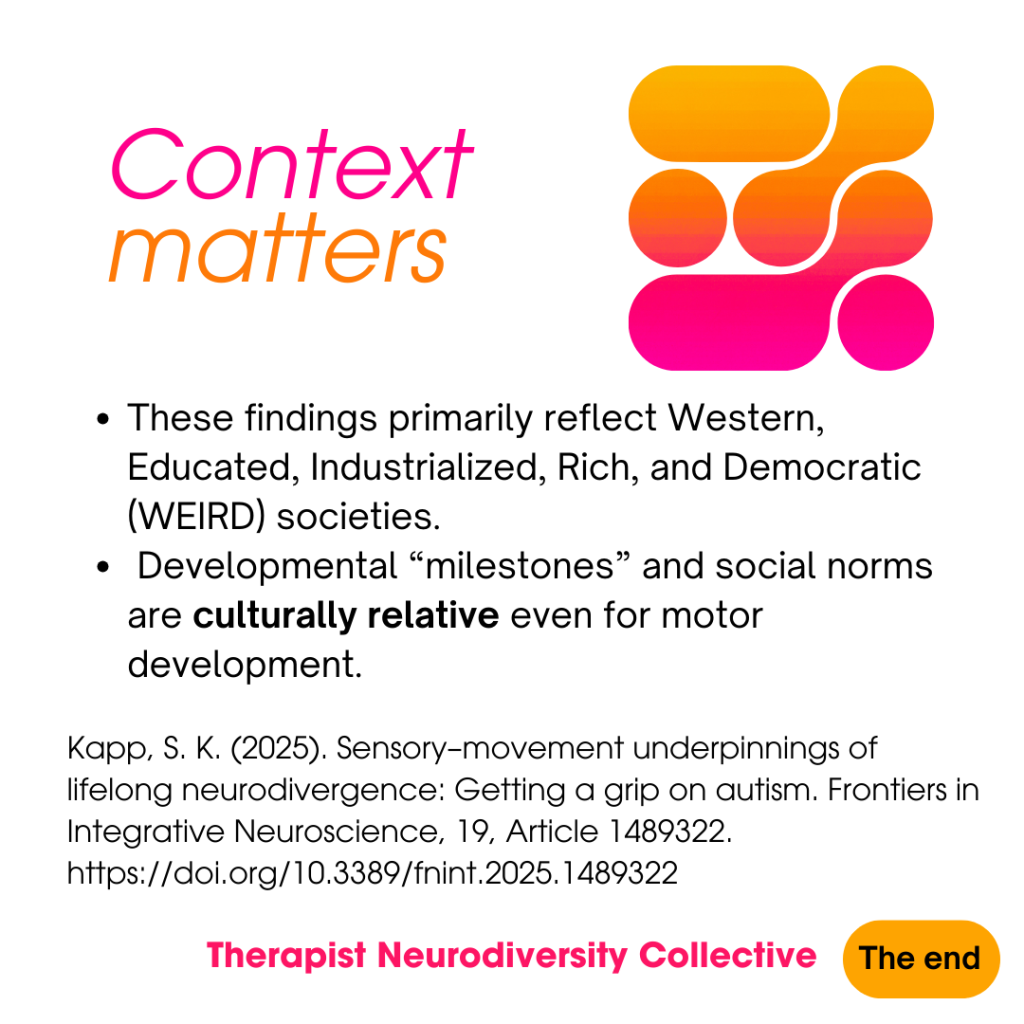
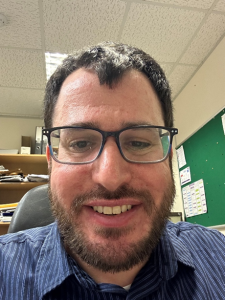
Dr Steven Kapp is an autistic academic at the University of Portsmouth in the UK. His research broadly considers the nature of autism and support for autistic people, as a concept, diagnosis, and identity; through participatory research with autistic people as community partners; and considering the perspectives of the autism community. He has recently published on autism as a lifelong neurodivergence based in sensory and movement differences, as well as on the strengths of autistic people with speech divergence.
Kapp, S. K. (2025). Sensory–movement underpinnings of lifelong neurodivergence: Getting a grip on autism. Frontiers in Integrative Neuroscience, 19, Article 1489322. https://doi.org/10.3389/fnint.2025.1489322
Kapp, S. K., Gillespie-Lynch, K., Sherman, L. E., & Hutman, T. (2013). Deficit, difference, or both? Autism and neurodiversity. Developmental Psychology, 49(1), 59–71. https://doi.org/10.1037/a0028353
Bottema-Beutel K, Kapp SK, Lester JN, Sasson NJ, Hand BN. Avoiding Ableist Language: Suggestions for Autism Researchers. Autism in Adulthood. 2021;3(1):18-29. doi:10.1089/aut.2020.0014
Kapp, S. K., Steward, R., Crane, L., Elliott, D., Elphick, C., Pellicano, E., & Russell, G. (2019). ‘People should be allowed to do what they like’: Autistic adults’ views and experiences of stimming. Autism, 23(7), 1782-1792. https://journals.sagepub.com/doi/pdf/10.1177/1362361319829628


