
Description
Echolalia, AAC & Gestalt Language Processing | Neurodiversity-Affirming & Anti-Ableist Therapy
A 2.5 hour Neurodiversity-Affirming Professional Development Course for SLPs, OTs, & others who provide AAC services!
Speech-Language Pathologists, Occupational Therapists and other therapists who provide AAC therapy play a crucial role in supporting autistic gestalt language processors and echolalic communicators. Co-taught by an SLP and the parent of an AAC user, this professional development course equips you with the knowledge and strategies to integrate neurodiversity-affirming therapy into your AAC practice, ensuring that echolalia, AAC use, and emergent literacy are recognized as valid, meaningful communication across the lifespan.
Traditional AAC interventions often overlook communication agency and bodily autonomy, reinforcing outdated, ableist models that prioritize spoken language and neurotypical communication norms as the “gold standard” of communication. This course challenges those assumptions, offering an alternative approach that embraces multimodal communication, respects echolalia, and centers the neurodiversity paradigm in therapy.
You’ll leave with concrete, neurodiversity-affirming strategies you can immediately apply in AAC therapy—approaches that recognize and support echolalia as a meaningful form of communication.
By the end of this professional development course, you’ll have ideas and skills to provide anti-ableist, strengths-based AAC therapy that supports echolalic communicators and gestalt language processors. Whether you’re an SLP, OT, or any other therapist specializing in AAC, this training will empower you to prioritize communication autonomy, authentic self-expression, and accessibility in every therapy session.
► 2.5 hours of Professional Development credit
► On-demand access for 180 days
► Audience: Therapy providers who want to learn more about Gestalt Language Processors, AAC, and neurodiversity affirming practices. 🔓🔓🔓 (Therapy Neurodiversity Collective Members, this short course is included in your membership!)
✨ Included:
☑ A comprehensive slide handout
☑ Course handout for reference
☑ Certificate of Attendance for 2.5 hours of professional development
Course Themes
✅ Implement a neurodiversity-affirming AAC therapy approach (assessment, goal writing, and therapy strategies that prioritize agency, autonomy, and authentic self-expression.
✅ Recognize echolalia (immediate & delayed) as a valid form of communication and language development component, rather than something to “extinguish” or “shape.”
✅ Reject compliance-based therapy models that force neurodivergent individuals into masking or suppressing their authentic communication styles.
✅ Apply Gestalt language processing principles in AAC therapy to support natural language development.
✅ Address emergent literacy in AAC users while honoring their unique language processing patterns.
✅Gain strategies that will help you approach AAC intervention with creativity and confidence, emphasizing co-creation and customization with and for your AAC user.
✅ Learn from case studies and best practices to support neurodivergent communicators in an ethical and effective manner.
✅ Understand a parent’s lived experiences in navigating access to therapy, special education, and advocacy for AAC and acceptance of echolalia.
After completing this program, therapists will be able to:
- Identify evidence-informed components of the Natural Language Acquisition Protocol that are less likely to inflict harm than compliance-based interventions
- Champion a key principle to guide modifications to AAC supports that prioritizes meaningful engagement for GLPs
- Identify communication partner strategies that respect and support the developmental progression of GLPs
- Summarize strategies based on stakeholder insights that help destigmatize neurodivergent communication features
- Prioritize communication functions that support authentic connection rather than compliance or performance
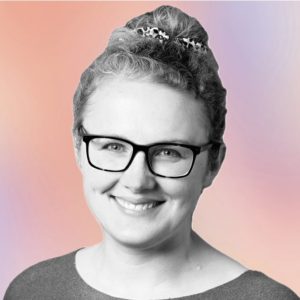
Jo Ristow is a Seattle-based speech language pathologist and owner of Chat NW. In her 12+ years of experience, she has worked in multiple settings across all age ranges with a focus on supporting neurodivergent AAC users. She is currently the president of the Northwest Augmentative Communication Society (NWACS) and a part-time lecturer in the University of Washington’s Speech and Hearing Department. She presumes potential and strives to provide neurodiversity-affirming supports and education. Her passion is supporting those who use AAC to connect with the people important to them, advocate for the things that are important to them, and communicate in the places that are important to them. In addition, she works to change systems and beliefs to create inclusive and neurodiversity-affirming partners and environments. The work and joy of communication is meant to be shared.
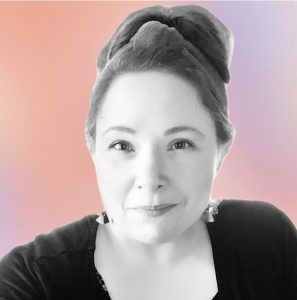
Cass Griffin Bennett is an autistic advocate, parent and AAC consultant specializing in demystifying “early” AAC and neurodiversity-affirming implementation strategies. Cass combines practical lived experience insights with best practices to encourage professionals and caregivers alike to lean into respectful, strengths-based approaches that prioritize autonomy, agency and authentic engagement. As a parent of neurodivergent children—including a young multimodal communicator who began AAC as a toddler—Cass has seen firsthand how AAC can transform lives and enhance whole-family well-being. She offers coaching and consulting through her platform Through to THRIVE. Cass serves on the board of directors of the NorthWest Augmentative Communication Society (NWACS) and as a volunteer with the Alliance Against Seclusion & Restraint (AASR). In her down time, she enjoys puzzles and audiobooks. Cass lives with her family in Washington state.


